Neural Networks - Introduction
🧠 Understanding Neural Networks
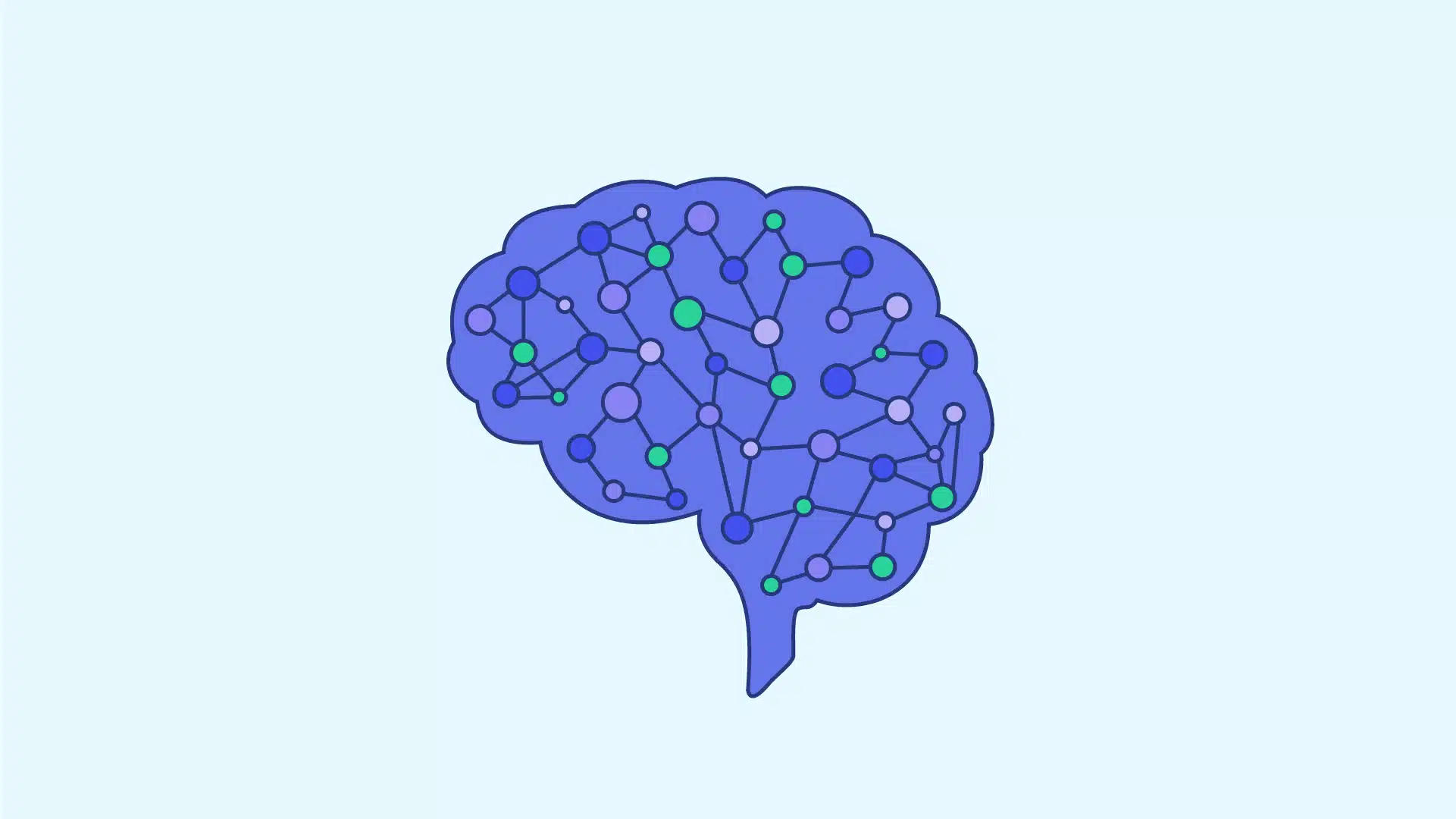
Neural networks are computational models inspired by the human brain.
They are widely used in Machine Learning and Deep Learning.
asdasdasdads
Hi shaoyi
📌 What is a Neural Network?
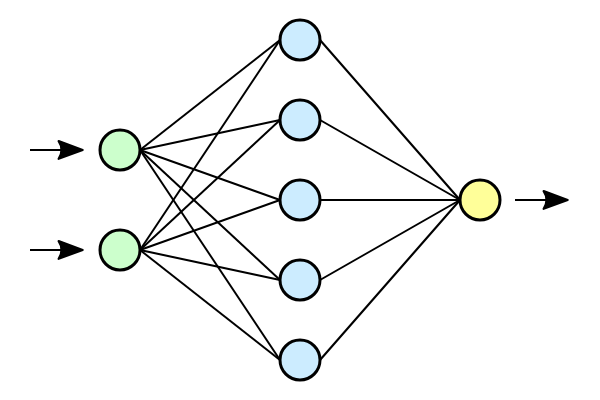
A neural network is composed of:
- Input layer
- Hidden layers
- Output layer
- Weights
- Activation functions
A neural network learns by adjusting its weights to minimise a loss function.
🔍 Basic Structure
| asdasdasd | asdasda | asdasdasdads |
|---|---|---|
| asdasd | asdasd | asdasdads |
| asdasd | asdasdasd | asdasdasd |
Component Description Example
Input Layer Receives raw data Images, Text Hidden Layer Performs transformations Dense Layer Output Layer Produces prediction Class label
⚙️ Training Process
- Forward propagation
- Compute loss
- Backpropagation
- Update weights
🧮 Example Formula
y = activation(Wx + b)
Where:
W= weights matrix\x= input vector\b= bias\activation()= non-linear function
🔥 Types of Neural Networks
- Feedforward Neural Networks
- Convolutional Neural Networks (CNN)
- Recurrent Neural Networks (RNN)
- Transformers
📊 Advantages vs Limitations
Advantages Limitations
High accuracy Requires large datasets Learns complex patterns Computationally expensive Works well for images/text Hard to interpret
Neural networks have revolutionised artificial intelligence by enabling
models to learn hierarchical representations of data.
However, they require careful tuning, significant computational power,
and high-quality datasets.
🚀 Conclusion
Neural networks are at the core of modern AI systems and are used in:
- Computer Vision
- Natural Language Processing
- Speech Recognition
- Autonomous Systems
End of Article
echo "On va tester cela okay?"
echo "Guilhem, Ralph, reveillez-vous"
int ft_main(int test, int test2) {
	int a = 0
	int b = 0
	int result = 0

	result = a + b

	return result

}